Recycling and Sustainability at Ealing Storage
 At Ealing Storage, recycling and sustainability are built into the way we operate every day. We recognise that storage facilities can generate packaging waste, offcuts, and bulky items that need responsible handling, so our approach focuses on reducing landfill and improving the life cycle of materials. Our recycling strategy supports a practical goal: to achieve a 75% recycling rate across routine operational waste, with steady improvement through better sorting, reuse, and supply-chain choices. In a borough where households and businesses are increasingly expected to separate waste carefully, we aim to complement local efforts with storage practices that make recycling simpler and more effective.
We work with a clear understanding of the area’s waste priorities. Around Ealing and the wider west London corridor, borough-based waste separation is becoming more specific, with dry mixed recycling, food waste, cardboard, metal, and plastics handled through distinct streams. That matters to a storage provider because the items moving in and out of units often arrive in varied packaging. By encouraging clean separation of cardboard, polystyrene, shrink wrap, timber, and reusable containers, Ealing self storage can support a better recycling outcome from the very start. Our teams also look for opportunities to reuse packing materials before sending them for processing, helping keep useful items in circulation for longer.
 Another important part of our approach is making sure waste goes to the right destination. We use local transfer stations and licensed waste facilities serving west London to process recyclable material efficiently, rather than relying on long-distance disposal routes. This reduces unnecessary mileage and helps ensure that waste is handled in line with environmental standards. In practice, this means segregated loads of mixed paper, hard plastics, metal fixtures, and wooden pallets can be directed to appropriate recovery channels. The result is a more responsible system for storage recycling, one that keeps valuable material within local resource networks whenever possible.
Partnerships are central to our sustainability work. We collaborate with charities and community reuse organisations so that suitable items can be donated instead of discarded. Furniture, household goods, archive boxes, shelving, and other reusable materials may find a second life through charity partners, supporting people and projects across the area. This helps reduce waste while also creating social value, especially where usable goods might otherwise have gone directly to a skip. For an Ealing storage facility, donation-led reuse is one of the most effective ways to improve environmental performance without sacrificing convenience for customers.
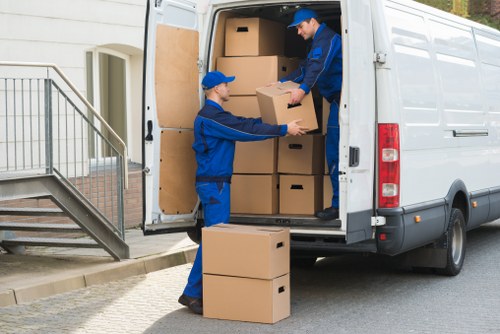
 We also pay close attention to transport emissions. Our operational fleet includes low-carbon vans designed to reduce fuel use and lower emissions on local journeys. These vehicles are well suited to short urban routes, where stop-start traffic can increase pollution. By choosing cleaner vans for collections, deliveries, and site movement, we make our day-to-day logistics more sustainable. That matters in west London, where air quality and road congestion remain important concerns. The aim is to support a greener self storage Ealing model that aligns with the borough’s broader environmental goals.
Inside the facility, practical recycling habits also make a difference. We separate common materials such as cardboard, paper, stretch film, and metal fittings, and we make sure hazardous or non-recyclable items are kept out of the recycling stream. When customers clear out units, we encourage careful sorting so that recyclable packaging is not contaminated by general waste. This reflects a wider borough approach in which good separation is essential for effective processing. Even small actions, like flattening boxes or keeping plastic wrap clean and dry, can improve the quality of the material sent onward for recovery.
Our sustainability work is not limited to waste. We also consider how storage can reduce unnecessary consumption. By helping businesses and residents store seasonal stock, archives, equipment, or personal belongings securely, Ealing Storage can extend the usable life of products and materials. Items that are preserved properly are less likely to be replaced early, which means fewer purchases, less packaging, and less waste overall. This makes storage a useful part of a circular economy, especially in a busy urban area where space is limited and efficient use of resources matters.
We are mindful that the local waste picture varies across boroughs, and best practice often depends on the exact stream. Some materials are accepted through kerbside collections, while others are better suited to specialist processing or local transfer facilities. For that reason, our operations are designed to keep recycling flexible and informed. We stay focused on improving recovery rates for materials commonly found in storage environments, including cardboard from deliveries, timber from pallets, and metal components from shelving or fittings. This practical emphasis helps ensure that recycling at Ealing Storage is both realistic and effective.
 A strong sustainability culture also depends on everyday choices from suppliers and contractors. Wherever possible, we choose reusable delivery materials, minimise excess wrapping, and favour maintenance over replacement. That includes using durable containers and keeping equipment in service for longer, rather than treating items as disposable. Combined with our recycling target, charity partnerships, and low-carbon transport, these measures help create a balanced and responsible operation. They show how self storage in Ealing can contribute positively to local environmental efforts while still providing a reliable service.
 Looking ahead, our commitment is to keep raising the bar on environmental performance. We will continue to improve our recycling percentage target, strengthen relationships with charitable reuse partners, and reduce transport emissions through cleaner vehicles and smarter routing. For us, sustainability is not a one-off initiative; it is a working standard that shapes how we handle waste, materials, and movement across the business. In a borough where waste separation and recycling discipline matter more every year, Ealing Storage aims to be part of the solution by making responsible storage practical, local, and low impact.