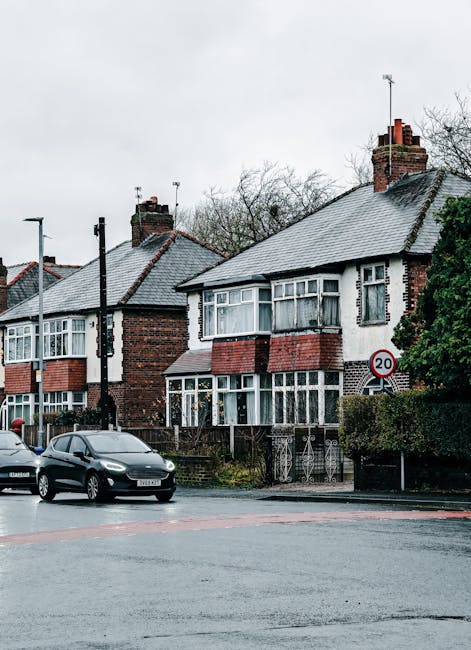
Walpole Park removals for Northfields homes: a practical guide to moving well in a busy local area
If you are planning Walpole Park removals for Northfields homes, you are probably juggling the same mix of things most people do before a move: boxes everywhere, a calendar that looks too full, and that nagging worry that something small will go wrong at the worst possible moment. Fair enough. Moving house is rarely glamorous. It is more about getting the details right, keeping stress under control, and making sure your belongings arrive in one piece.
This guide explains how a local removal in and around Northfields and Walpole Park typically works, what to expect on the day, where the common pain points are, and how to choose the right support for your home. It also covers practical storage options, safety, compliance, and planning tips so you can make sensible decisions without feeling rushed.
One thing becomes clear quickly: the best move is the one that is organised before the van arrives.
In a neighbourhood with residential streets, flats, family homes, parked cars, and the usual London timing pressures, the difference between an easy move and a chaotic one often comes down to preparation. Let's get into the useful stuff.
Why Walpole Park removals for Northfields homes Matters
Local removals are not just about getting furniture from A to B. They are about handling the reality of the area you live in. Around Walpole Park and Northfields, that can mean narrower roads, busy school-run traffic, shared entrances, stairwells, parking pressure, and properties that are not always built with moving day in mind. You know the sort of thing: the sofa that looked manageable in the lounge suddenly becomes a problem on the landing.
That is why a local moving plan matters so much. A move near Walpole Park is usually smoother when it is treated as a local removals job, not a generic one-size-fits-all service. Local knowledge helps with timing, loading access, carrying distances, and the kind of small logistical choices that save time and reduce risk.
It also matters because home moves are personal. You are not moving boxes only. You are moving books, family photos, crockery, awkward lamps, winter coats, and probably a few things you forgot you owned. A careful, well-paced removals plan protects those items and, just as importantly, protects your energy. Moving day is tiring enough without avoidable mistakes.
For many households, the right support also brings a useful sense of control. When you know the van size, the packing sequence, the access plan, and the backup options, the whole thing feels less like a gamble. That is a big deal. Truth be told, people rarely remember the move that went perfectly. They remember the one that nearly didn't.
If you are comparing service types, it can help to think beyond the word "removals" itself. Some homes will benefit from a full house removals service, while smaller moves may only need a small removals setup or a flexible man and van option. The point is to match the job to the job.
How Walpole Park removals for Northfields homes Works
In practical terms, a local removal usually follows a simple path: assess, plan, pack, load, move, unload, and settle. That sounds obvious, but the quality of each stage makes a huge difference. A well-run move is less about speed and more about sequence.
It often starts with a quote and an inventory-style discussion. A good mover will want to know what you are moving, how many rooms are involved, whether there are stairs or lifts, where parking is available, and whether any items need special handling. If a provider does not ask enough questions, that is worth noticing. A careful move begins long before the van turns up.
From there, the job is shaped around access and timing. In Northfields, as in much of west London, you may need to think about parking space, entry routes, lift use, and whether neighbours are likely to be affected by loading times. The more clearly this is mapped out, the less likely you are to be caught out by a last-minute scramble. And yes, a bit of scrambling happens anyway. That is just moving house.
On moving day, items are usually grouped by room and packed according to fragility and priority. Softer items can help cushion awkward spaces, but that does not mean overstuffing a box until it weighs a ton. Keep it sensible. Heavy items like books go in smaller boxes; lighter but bulky things like bedding can fill larger containers. It is simple, but easy to ignore when you are rushed.
If you need extra time between moving out and moving in, storage can be part of the process. That is where services like removals and storage or short-term storage become useful. For furniture you do not want in the way, furniture storage can keep the move manageable rather than overwhelming.
Key Benefits and Practical Advantages
The clearest benefit of choosing a well-planned local move is less stress. That sounds almost too simple, but it is the honest answer. A move with the right level of support tends to feel calmer because the likely problems have already been thought through.
- Better timing: Local removals can often be arranged with more realistic windows for loading and unloading.
- Less lifting pressure: Professional help reduces the physical strain on you, your family, and your friends.
- Safer handling: Fragile items, large furniture, and awkward stair carries are managed more carefully.
- More flexible planning: If access is tight or completion timings shift, it is easier to adapt.
- Lower disruption: You can protect work schedules, school runs, and the rest of the week from total chaos.
There is also a psychological benefit that people underestimate. When your home is being cleared methodically, the move starts to feel finite. You can see progress. Boxes are labelled. Furniture is wrapped. The hallway stops looking like a storage depot. That matters more than people admit.
Another practical advantage is the ability to combine removal work with temporary storage. For example, if your new property is not quite ready, a short gap can be bridged with secure storage or a more flexible arrangement through self storage. For households with less predictable timelines, that can be the difference between a smooth move and a messy one.
And let's be fair: nobody enjoys paying for avoidable damage. The cost of replacing a scratched table, broken glassware, or a snapped bed frame can sting. Careful handling usually pays for itself in peace of mind alone.
Who This Is For and When It Makes Sense
Walpole Park removals for Northfields homes make sense for a wide mix of households. You may be moving from a flat into a house, downsizing, relocating across Ealing, or simply trying to get your possessions from one side of a neighbourhood to another without a long weekend disappearing into cardboard.
This kind of local move is especially relevant if you are:
- moving from a one- or two-bedroom flat with stairs or limited access;
- relocating a family home with larger furniture and more breakables;
- upgrading, downsizing, or combining households;
- needing help with bulky items, not just boxes;
- working around a tight completion date;
- splitting the move over several days because keys, decorating, or cleaning are not aligned.
It can also be a sensible option if you are moving seasonally or between temporary living arrangements. Students, renters, and people on short leases often find that local support plus storage is a calmer route than trying to do everything in one rush. If that sounds familiar, student storage and household storage can help bridge the gap.
Sometimes the need is less about the size of the home and more about the shape of the move. A couple with a few heavy items may need more help than a larger household with minimal furniture. Weirdly, that happens a lot. One sofa can be more of a problem than ten boxes of books.
Step-by-Step Guidance
If you want the move to feel manageable, treat it like a project with stages. Nothing dramatic. Just orderly. Here is a practical way to approach it.
- Walk through the property room by room. Decide what is moving, what is being stored, what is being sold, and what can be recycled.
- Measure the awkward items. Sofa depth, wardrobe height, bed frames, mirrors, and anything with a strange angle should be checked in advance.
- Book the right kind of help. For a full home move, removals or house removals is often the best fit. For a lighter job, man and van or small removals may be enough.
- Confirm access details. Parking, permits where relevant, stairways, lift access, and entrance width all matter.
- Pack by priority. Essentials first, valuables separately, and a clearly marked box for the first night.
- Label properly. Room name, contents, and whether the box is fragile. A simple marker pen does the job.
- Prepare storage if needed. If there is a timing gap, arrange long term storage or a shorter option depending on how long the delay may be.
- Keep documents and essentials to hand. Keys, charger, medication, kettle, and a change of clothes should not disappear into the van.
A useful little trick: make one box that is not "important", but essential in a very ordinary way. Tea bags, mugs, loo roll, scissors, bin bags, and a phone charger. Boring? Absolutely. Also brilliant on day one.
Expert Tips for Better Results
Good removals usually come down to small decisions made early. The best tip is probably the least exciting one: start earlier than you think you need to. Packing always takes longer than people estimate. Always. Even if you are a tidy person. Even if you swear you are "basically ready".
Here are a few things that make a real difference:
- Declutter before packing. Moving unwanted items costs time and money. If you have not used it in years, ask whether it deserves the journey.
- Use strong boxes, not random leftovers. Book boxes, supermarket boxes, and old packaging can fail at exactly the wrong moment.
- Wrap furniture properly. Blankets, covers, and careful padding protect edges and polished surfaces.
- Separate delicate items. Glasses, plates, lamps, and framed photos need thoughtful packing rather than "it'll be fine" optimism.
- Keep pathways clear. A tidy hallway speeds up loading and reduces bumps, trips, and awkward pauses.
- Ask about insurance and safety. A trustworthy mover should be able to explain their approach clearly. For peace of mind, review insurance and safety information before the day arrives.
If you are using professional help, it is usually worth asking how they handle heavier items, fragile items, and difficult access. This is not being fussy. It is being sensible. In our experience, good providers appreciate clear questions because they want the job to go smoothly too.
One more thing. Do not leave all the sorting for the morning of the move. That's where the panic sneaks in. A half-packed kitchen at 6:30am is nobody's idea of fun.
Common Mistakes to Avoid
People often assume moving problems are big, dramatic failures. Usually they are small avoidable slips. A box that is too heavy. A key that is not where anyone thought it was. A sofa that does not fit the route you imagined. Tiny things. Big effect.
- Underestimating the packing load: Kitchens, cupboards, and lofts take longer than expected.
- Ignoring access details: A lift being out of service or a parking space being unavailable can throw the whole schedule.
- Packing by container size, not weight: Big boxes filled with heavy items are a classic mistake.
- Leaving valuables mixed in: Important papers, jewellery, and personal items should travel separately.
- Forgetting the first-night essentials: Nothing makes a new home feel less settled than not being able to find toiletries or bedding.
- Choosing the wrong service type: A light move may not need a full removals team, but a larger one usually does.
There is also the "we'll sort it later" problem. Later is where many moves get messy. Items end up in the wrong room, the wrong cupboard, or the wrong storage box, and suddenly you are living in a small maze of uncertainty. Not ideal.
If you suspect your move will be staged, think about whether a mobile self storage option or a traditional storage arrangement could reduce pressure. Sometimes the neatest move is not the fastest one. It is the one that leaves room to breathe.
Tools, Resources and Recommendations
You do not need a mountain of specialist kit to move well, but a few practical items make the whole process easier. Keep it simple and functional.
| Item | Why it helps | Practical tip |
|---|---|---|
| Strong cardboard boxes | Protects contents and stacks safely | Use smaller boxes for books and heavy items |
| Packing tape | Keeps boxes sealed during lifting | Reinforce the base and top seams |
| Marker pens | Makes room labelling easy | Write on two sides, not just the top |
| Furniture covers or blankets | Helps prevent scratches and scuffs | Focus on corners and exposed edges |
| Zip bags | Useful for screws and fittings | Tape them to the furniture they belong to |
| Trolley or moving dolly | Reduces strain on heavy items | Especially useful for flats and longer carries |
On the service side, there are a few pages worth understanding if you are weighing up your options. packing services can save time if you are short on it. flat removals are particularly useful where stairs, access, and compact layouts make the move more technical than it first looks. If your situation includes work equipment as well as home belongings, office removals and business storage may be relevant too.
For people who want a clean handover between move-out and move-in, removals and storage can be a practical bridge. And if you are trying to stretch costs carefully, the pricing information on pricing and quotes is a sensible place to start before making any commitments.
Law, Compliance, Standards, or Best Practice
For home removals in the UK, the most useful approach is to think in terms of good practice, safety, and clear terms rather than chasing vague promises. A reputable provider should be transparent about what is included, how items are handled, and what happens if there is damage, delay, or a change in access arrangements.
That usually means checking the following:
- Insurance arrangements: Understand what protection is available and what exclusions may apply.
- Health and safety practices: Lifting methods, equipment handling, and safe movement in tight spaces all matter.
- Payment clarity: Know when payment is due, what is included, and whether any extras may apply.
- Terms and conditions: Read the basics carefully. The boring bit often saves the biggest headache.
- Privacy and data handling: If documents or personal information are being moved or stored, data should be treated responsibly.
You can review practical policy information such as health and safety policy, payment and security, and privacy policy to understand how a provider frames these responsibilities. If sustainability matters to you, recycling and sustainability is also worth a look, especially if you are trying to dispose of packing waste responsibly.
Best practice is not just about avoiding trouble. It is about making the move feel orderly, fair, and predictable. That's the real value, honestly.
Options, Methods, or Comparison Table
Different moves call for different approaches. A home near Walpole Park might need a full removals team, or it might only need flexible loading help. Here is a straightforward comparison to help you decide.
| Option | Best for | Strengths | Watch-outs |
|---|---|---|---|
| Full house removals | Larger homes, families, full furniture moves | Most comprehensive, less lifting for you | May be more than you need for a very small move |
| Man and van | Small to medium loads, quick local moves | Flexible and often well suited to short distances | May not suit highly complex access or large item counts |
| Small removals | Studios, flats, partial contents | Efficient and cost-conscious | Needs accurate sizing so nothing is left behind |
| Removals and storage | Moves with a gap between homes | Flexible when timings do not line up neatly | Needs good planning for access and storage duration |
| Self storage only | People who are handling transport themselves | Good for staged clearing and decluttering | Still requires transport and loading effort |
If you are unsure which option fits, start with the size of the load, then look at access, timing, and how much heavy lifting you are willing to do. That order matters more than people think.
Case Study or Real-World Example
A typical local example might look like this. A couple in Northfields are moving from a second-floor flat near Walpole Park into a larger house nearby. Their completion date is fixed, but the new property will not be ready for all their furniture immediately because decorating is still ongoing. They also have a mix of fragile items, a bed frame, several bookshelves, and a decent amount of kitchenware. Nothing outrageous, just enough to be awkward.
They split the move into two parts. The essentials go straight into the new home. Larger furniture that is not needed right away is held in short term storage for a few weeks. Packing is done room by room, with a separate bag for documents, chargers, bedding, and the kettle. Sensible, really. The van arrives at a time that avoids the worst of the local traffic, and the carry route from the flat is cleared the night before.
The result is not dramatic. That is the point. No smashed mirror. No frantic searching for toothpaste. No "where did we put the cutlery?" scene at 9pm. Just a move that gets done properly, with enough breathing room to settle in.
Most successful local moves look like that: organised, slightly unglamorous, and quietly effective.
Practical Checklist
Use this as a final pre-move check. It is simple, but it covers the bits people forget when life gets busy.
- Confirm moving date, arrival window, and contact details.
- Check parking and access at both properties.
- Measure bulky items and tight spaces.
- Book the right service type for the size of the move.
- Pack a first-night essentials box.
- Label every box clearly with room and contents.
- Keep valuables and key documents separate.
- Protect furniture with covers or blankets.
- Arrange storage if there is a gap between homes.
- Review insurance, safety, payment, and terms information in advance.
- Set aside cleaning items and bin bags for the final sweep.
- Do a last check of cupboards, lofts, sheds, and under beds. Always under the bed.
If your move involves a lot of mixed household contents, it can also help to read up on self storage and household storage in case you need breathing space before everything is unpacked.
Conclusion
Walpole Park removals for Northfields homes are best handled with local awareness, a realistic plan, and the right level of support for the size and shape of your move. That might mean a full removals service, a smaller van-based job, packing help, storage, or a combination of all four. There is no prize for doing everything the hard way.
The main thing is to remove uncertainty before it removes your weekend. Clarify access, decide what is actually moving, keep your essentials close, and choose services that fit your home rather than forcing your home to fit the service. That is the difference between a move that feels controlled and one that feels like it is controlling you.
Get a free quote today and see how much you can save.
When the boxes are finally stacked and the keys are in your hand, it is amazing how quickly the stress starts to fade. New place, clean start, fresh kettle boil. Not a bad feeling at all.
Frequently Asked Questions
What is the best type of removals service for a Northfields home near Walpole Park?
It depends on the size of the property and how much you are moving. Larger homes usually suit full house removals, while smaller flats or partial moves may only need small removals or a flexible man-and-van style option.
How far in advance should I book a local move?
As early as you reasonably can, especially if you are moving at the end of the month, on a weekend, or during school holiday periods. Local teams can get busy, and the earlier you book, the more choice you usually have.
Do I need storage as part of my move?
Not always, but storage is helpful if your moving dates do not line up, if you are decluttering, or if decorating is delaying access to rooms. In those cases, removals and storage or short term storage can make things much easier.
What should I pack separately for moving day?
Keep documents, chargers, medication, toiletries, snacks, keys, and a change of clothes separate. A first-night box is one of those small things that makes a big difference when the day runs long.
Is a man and van service enough for a small flat move?
Often yes, provided the load is genuinely small and access is straightforward. For tighter stairwells, awkward furniture, or more fragile items, you may want to compare it with flat removals or a fuller service.
How do I know if my furniture needs special handling?
If the item is heavy, fragile, awkwardly shaped, antique, or expensive to replace, it deserves special care. Mirrors, glass tables, pianos, and large wardrobes need extra planning, and sometimes a different approach entirely.
What should I look for in a removal quote?
Check what is included, whether packing is included, whether there are likely to be access charges, how storage is priced if needed, and what happens if the move timing changes. The cheapest quote is not always the best value.
Can removals help if I am downsizing?
Yes. Downsizing often benefits from a mix of removals, packing support, and storage. It gives you time to decide what to keep and what to pass on without making rushed decisions.
How can I reduce the risk of damage during a move?
Use sturdy boxes, avoid overpacking, wrap furniture properly, label fragile items clearly, and keep heavy items in smaller containers. Also, be honest about access problems. That alone saves a lot of trouble.
Are there safety or insurance points I should check before moving?
Yes. It is sensible to review a provider's insurance and safety information, plus their terms and payment details, before the move. Clear expectations are always better than assumptions.
What if my new home is not ready on moving day?
That happens more often than people expect. If there is a gap, temporary storage can keep your items safe until the property is ready. It is much better than trying to cram everything into a place that is not quite prepared.
Can I combine moving and storage for a phased move?
Yes, and in many cases it is the neatest solution. You can move essentials first, store the rest, and bring items in when the home is ready. This works particularly well for busy households and time-sensitive completions.
What is the most common mistake people make on moving day?
Leaving too much to the last minute. Packing, labelling, parking, and essential items all need attention before the van arrives. If one thing to remember here, it is this: prepare the boring bits early.