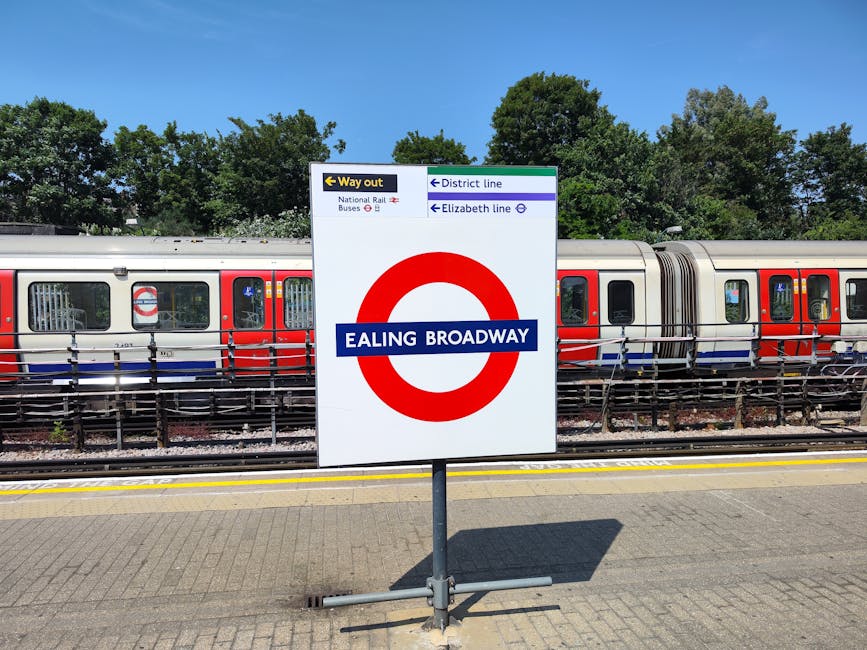
W5 postcode removals tips for Ealing residents

If you are moving in or out of W5, you already know it can look simple on paper and feel strangely complicated on the day. Narrow streets, parking pressure, flats with stairs, a last-minute sofa that barely fits through the door - it all adds up. These W5 postcode removals tips for Ealing residents are designed to help you stay organised, reduce avoidable stress, and make better decisions before moving day arrives.
Whether you are shifting a one-bedroom flat near Ealing Broadway, moving a family house closer to Northfields, or just trying to get a few heavy items across the borough without chaos, the right preparation makes a big difference. In this guide, you will find practical advice, local-minded planning tips, a step-by-step process, common mistakes, and a realistic checklist you can actually use. No fluff. Just the useful stuff.
Why W5 postcode removals tips for Ealing residents Matters
W5 is one of those postcodes where moving feels manageable right up until you start dealing with the real-world details. Ealing has busy main roads, residential parking restrictions in many streets, and a mix of housing types - from mansion flats and terraces to newer apartment blocks. That combination matters because removals are not just about lifting boxes; they are about timing, access, and protecting your belongings from avoidable damage.
Good removals planning in W5 helps you avoid the classic headaches: a van that cannot park close enough, boxes arriving before keys are ready, a furniture item that was never measured properly, or a storage dilemma when completion is delayed. Truth be told, many moving-day problems are predictable. That is the good news. If you plan early, most of them are pretty easy to sidestep.
For Ealing residents, removals also tend to be tied up with everyday life. School runs, commuting, shared driveways, lift bookings, neighbour access, and permit arrangements all affect the moving process. One missed detail can make the whole day feel longer than it should. And nobody wants to spend a Saturday standing on the pavement wondering where the fridge trolley has gone.
That is why local, practical advice beats generic moving advice almost every time.
How W5 postcode removals tips for Ealing residents Works
A smooth move in W5 usually follows a clear sequence. First, you assess what is moving, what is staying, and what might need temporary storage. Then you sort access, packing, transport, and timing. Finally, you keep enough flexibility for the unpredictable bits - because there are always a few.
In practical terms, a local removals plan for Ealing should cover these moving parts:
- Property access - stairs, lifts, loading points, and any tight hallways or shared entrances.
- Parking and vehicle size - whether a van can stop nearby and how long it can stay there.
- Packing pace - how much can be done in advance, and what needs careful wrapping.
- Item prioritisation - what must be accessible first at the new place.
- Storage decisions - whether short-term or longer-term storage will reduce pressure.
If your move is straightforward, a man and van service can be a sensible option for smaller loads or single-item moves. For larger households, a more complete removals service or a full house removals plan is usually easier to manage. Flats, especially those with awkward access or limited parking, often benefit from flat removals support because there is less margin for error.
If your move is staggered, or there is a gap between leaving and receiving keys, pairing removals with removals and storage can take a lot of pressure off. That is not overkill. It is often just sensible.
Key Benefits and Practical Advantages
When people ask why they should bother with proper removals planning, the answer is fairly simple: less stress, fewer delays, and fewer broken things. But the benefits go beyond that.
- Smoother timing - packing in advance and knowing your route saves precious hours.
- Lower risk of damage - proper wrapping, lifting, and stacking protect furniture and fragile items.
- Less disruption to daily life - a clear plan means less last-minute scrambling.
- Better use of storage - if you need somewhere temporary for furniture or boxes, it is easier to choose the right option.
- More control over costs - a tidy move is often a cheaper move because there is less wasted time and fewer surprises.
There is also a quieter benefit: you feel more in control. Moving can be emotionally draining, even when the logistics are tidy. A good plan gives you space to think, and that matters more than people admit.
Expert summary: the best W5 removals plans are rarely the most complicated ones. They are the ones that match the property, the access, the furniture, and the timing without trying to force everything into one perfect day. Realistic beats ambitious. Every time.
Who This Is For and When It Makes Sense
These tips are useful for a few different Ealing situations, and not just for big house moves. In practice, the people who benefit most are the ones with a mix of constraints - a tight timetable, a few bulky items, uncertain completion dates, or awkward access.
This is especially relevant if you are:
- moving from a W5 flat with stairs or limited lift access
- relocating a family home and need a phased packing schedule
- downsizing and deciding what to store, sell, or move
- moving into rented accommodation with a fixed inventory deadline
- moving office equipment or documents within the local area
- trying to bridge a gap between moving out and moving in
If your move is small and simple, small removals can be more cost-effective than booking a larger vehicle you do not need. If you are moving student belongings, books, bedding, and a few bits of furniture, student storage is often helpful when term dates and tenancy dates do not line up neatly. That mismatch happens all the time, and usually at the worst possible moment.
For local businesses, office moves, archived files, or equipment changes may be better served by office removals or document storage. Not glamorous, but very useful.
Step-by-Step Guidance
Here is a practical way to handle a W5 move without letting it swallow your week.
1. Start with a room-by-room inventory
Write down what you actually own. Not what you think you own. There is a difference, and it shows up fast when you start moving lamps, cables, spare chairs, and that mysterious box from three years ago. A room-by-room list helps you estimate volume, spot bulky items, and avoid paying to move clutter you no longer need.
2. Measure awkward furniture before moving day
Check doorways, stair turns, lift sizes, and hallway corners. In older Ealing properties, the issue is often not the sofa itself but the angle needed to get it through the building. A quick tape measure can save a lot of swearing later. Slightly dramatic? Maybe. But accurate.
3. Book the right moving support
Choose the level of help that fits the job. For single items or smaller moves, man and van support may be enough. For a full household, book a service that can manage packing, loading, and transport in one flow. If you are unsure, compare the scope of your move against the service levels you need rather than choosing by habit.
4. Pack by priority, not by room alone
It helps to pack one room at a time, but priority matters more. Essentials - chargers, medicines, documents, basic kitchenware, toiletries, bedding - should be packed separately and clearly labelled. You want the first night to feel manageable, not like a treasure hunt.
5. Build in a storage buffer if dates are uncertain
Completion dates change. Handover times slip. Maybe the new flat is not ready for everything yet. In that case, short-term storage can prevent a rushed, messy move. Short-term storage is a practical bridge between properties, while long-term storage may make sense if you are downsizing or pausing a decision.
6. Leave a clear path on moving day
Make sure hallways, stairwells, and entrances are clear before the van arrives. It sounds obvious, but it is often forgotten. Bags by the front door, loose cables, and half-packed drawers can slow things down more than you expect. Little things matter here.
7. Do a final sweep before you lock up
Check cupboards, lofts, utility spaces, drawers, and behind doors. Ealing movers often discover the last kettle, a charger, or an important envelope at the most inconvenient moment. One final walk-through can save a return trip. Nobody wants that.
Expert Tips for Better Results
These are the small adjustments that tend to make the biggest difference.
- Label more than the box contents. Add the room and a quick priority note, like "kitchen - first night."
- Use smaller boxes for heavy items. Books in a huge box look efficient until someone tries to lift them.
- Protect corners and surfaces. A bit of padding on tables and wardrobes reduces scuffs during tight turns.
- Keep screws and fittings together. Tape them to the furniture item or place them in clearly marked bags.
- Photograph cable setups. You will thank yourself when reconnecting the TV, printer, or router.
- Reserve a "do not pack" zone. One shelf or one bag for keys, documents, snacks, medications, and chargers.
Another useful habit: declutter before you pack, not after. Once something is in a box, your brain decides it belongs in the move. A spare hour sorting things out can save space, labour, and storage fees. You do not need to become a minimalist overnight. Just honest about the stuff.
And if the move involves furniture you cannot place immediately, furniture storage can keep larger items safe while you decide on layout, decorating, or room use. This is especially handy when the new place is smaller or you are waiting on flooring or furniture delivery.
Common Mistakes to Avoid
Most removals mistakes are not dramatic. They are ordinary, forgettable decisions that create headaches later. The good news is that they are avoidable.
- Leaving packing until the last 48 hours. It almost always creates breakage, stress, and a messy first day.
- Underestimating access issues. A van can be the right size and still be wrong for the street.
- Mixing essentials with everything else. Then you spend the evening searching for toothbrushes and phone chargers.
- Overfilling boxes. They become hard to lift and more likely to fail.
- Ignoring insurance and safety questions. Always know what is covered and how items should be handled.
- Not planning storage early enough. If you need it, it is easier when organised in advance.
One very common mistake in W5 is assuming local streets will be easy to load from. Sometimes they are. Sometimes they are not. If access looks awkward, plan as though it will be awkward. That mindset saves a lot of disappointment.
Tools, Resources and Recommendations
You do not need a shed full of specialist kit to move well. But a few simple tools make the whole process easier.
- Strong tape and markers for sealing and labelling boxes properly.
- Furniture covers and blankets to reduce scuffs and dust.
- Trolley or sack truck for heavier items where safe and suitable.
- Stretch wrap for drawers, loose doors, and grouped items.
- Measuring tape for access checks and furniture planning.
- Notebook or phone checklist for the inevitable bits you would otherwise forget.
If you are comparing removal support with storage options, it can help to think about the size and flexibility of the move. For example, self storage is useful if you want to access your belongings yourself, while mobile self storage can suit people who prefer the storage unit to come to them during the packing phase. For secure holding of higher-value items, secure storage may be the better fit.
For local business moves, there are also practical options such as business storage and office storage. These are particularly helpful when desks, files, stock, or equipment need a temporary home while the premises are being reorganised.
Law, Compliance, Standards, or Best Practice
For removals, there are a few trust and safety points worth keeping in mind, even if the move itself is straightforward. You do not need to become a compliance expert, but you should know the basics.
Safety first: heavy lifting, sharp edges, and awkward stairs are part of the job. Professional movers should use sensible manual handling practices and plan lifts carefully. If you are helping yourself, lift within your limits. No heroic back injuries needed, thank you very much.
Insurance matters: before moving valuable or fragile items, it is worth understanding what cover applies during loading, transit, and unloading. The wording matters, so ask clearly rather than assuming. A little caution now is better than a big surprise later. If you want a clearer overview of what to expect, the site's insurance and safety information is a useful place to start.
Terms and conditions matter too: if you are booking storage, removals, or packing assistance, check booking rules, payment terms, access arrangements, and what happens if your move date changes. The basics are boring until you need them. Then they matter a lot.
Environmental best practice: responsible packing and disposal are part of a tidy move. Reusing boxes where safe, separating recyclable material, and avoiding unnecessary waste all help. If sustainability is important to you, the recycling and sustainability approach is worth noting when planning what to keep, store, or dispose of.
Options, Methods, or Comparison Table
Different W5 moves need different methods. Here is a simple comparison to help you choose the right approach.
| Option | Best for | Strengths | Watch-outs |
|---|---|---|---|
| Man and van | Small loads, quick local moves, single items | Flexible, usually straightforward, good for lighter moves | May not suit large households or complex packing needs |
| Full removals service | Households, larger flat moves, busy schedules | More support, less lifting for you, better for bigger jobs | Can be more involved to arrange, especially for access planning |
| Removals plus storage | Moves with timing gaps, downsizing, renovation delays | Good for flexibility and staging belongings | Needs early planning so items are stored and delivered smoothly |
| Self storage only | People who want regular access to their items | Control and flexibility | Requires you to manage transport yourself |
There is no single right answer here. The best option depends on your property, your timing, and how much lifting you are willing to do. If your schedule is tight or the move is split across several days, a mixed approach is often the least stressful.
Case Study or Real-World Example
Imagine a couple moving from a second-floor flat near Ealing Broadway into a terraced house elsewhere in W5. The flat has a narrow staircase, the street outside is busy in the morning, and the new house is not quite ready for all the furniture because decorating is still underway. Not unusual, really.
Instead of trying to complete everything in one rushed push, they split the move into stages. First, they packed essentials and fragile items. Next, they moved the easy furniture and boxes that would be needed immediately. Then they placed two bulky items and spare boxes into short-term storage for a couple of weeks while the new place settled. They also used a simple inventory list so the most needed items stayed easy to find.
The result was not a perfect move. A few things always go a bit off-script. But it was calmer, quicker, and far less messy than trying to force everything into one day. That is often the real goal: not perfection, just a move that does not chew through your whole week.
Practical Checklist
Use this checklist in the days leading up to your move.
- Confirm your moving date and access times.
- Check parking or loading arrangements near both properties.
- Measure large furniture and awkward hallways.
- Book the right level of removals support.
- Decide what is being moved, stored, donated, or discarded.
- Gather boxes, tape, labels, and protective materials.
- Pack essential items separately.
- Photograph cable setups and furniture parts.
- Notify relevant contacts of your new address.
- Set aside a first-night bag with toiletries, chargers, and basic kitchen items.
- Check cover, terms, and any special handling requirements.
- Do a final sweep of cupboards, loft spaces, and storage areas.
Quick reminder: if anything about the move feels uncertain, pause and simplify. Moving is rarely improved by rushing through confusion.
If you are still choosing between different levels of support, local removals may be a useful middle ground for short-distance moves within Ealing or nearby. For people who want a simpler overall process, removals and storage can remove a lot of the pressure when dates do not quite line up.
Get a free quote today and see how much you can save.
Conclusion
W5 postcode moves can be smooth when the plan is realistic, the packing is disciplined, and the access details are checked early. That is really the heart of it. The postcode itself does not make a move difficult; it just rewards preparation. Ealing residents who take the time to measure, sort, label, and build in a little flexibility usually have a calmer moving day and a better first week in the new place.
Keep the focus on what matters most: protecting your belongings, reducing delays, and making the whole process feel manageable. A bit of organisation now saves a lot of stress later. And if you are standing in a half-packed room with tea gone cold, take a breath - you are closer than it feels.
Useful planning and the right support can turn a long day into a sensible one, and that is a win worth having.
Frequently Asked Questions
What are the best W5 postcode removals tips for Ealing residents?
The best tips are to start early, measure furniture and access points, pack essentials separately, and decide in advance whether you need storage or a smaller local moving service.
Is a man and van enough for a move in W5?
For small flats, single-item moves, or lighter loads, it often is. For larger households or moves with lots of stairs, a fuller removals service is usually more practical.
Do I need storage for a local Ealing move?
Not always, but storage helps when completion dates are uncertain, you are downsizing, or you do not want everything delivered on the same day.
How far in advance should I book removals in Ealing?
As early as possible, especially if you are moving at a popular time of month or need help with access, packing, or storage. Early booking gives you more flexibility.
What should I pack separately for moving day?
Keep documents, chargers, toiletries, medication, basic kitchen items, pet supplies, and a change of clothes in an easy-to-reach bag or box.
What if my new property is not ready on time?
That is where short-term storage can be useful. It gives you breathing room and stops the move from becoming a last-minute scramble.
Are flat moves in W5 harder than house moves?
They can be, mainly because of stairs, lifts, shared entrances, and parking. That does not mean they are difficult, just that they need a bit more planning.
How can I avoid damaging furniture during a move?
Use proper wrapping, protect corners, keep drawers secure, and measure all the tight spaces before carrying large items through the property.
What should I check before booking removals and storage?
Look at the scope of service, access arrangements, timing, payment terms, and what cover or safety information applies to your belongings.
Can I combine removals with storage for a home move?
Yes, and it is often very practical. Combining the two is helpful when your moving dates are split or you are managing a phased move.
Is self storage better than short-term storage?
It depends on how often you need access and how much handling you want to do yourself. Self storage suits flexible access, while short-term storage suits temporary gaps and simpler transitions.
What is the biggest mistake people make when moving in Ealing?
Probably underestimating the time needed for packing and access checks. It sounds minor, but it is usually what causes stress on the day.